OPS • DISPATCH
Day-to-Day Field Inspections & Readiness
Continuous fleet tracking, street-level audits, smart-lock diagnostics, and incident escalation protocols to guarantee street availability.
We operate behind the street-facing app. From midnight battery swaps and early morning rebalancing to torque inspections and depot diagnostics, we handle the hard physical logistics that keep shared e-bikes running across European streets.
A rental e-bike doesn't generate revenue or serve riders while parked with a dead battery, a bent rotor, or locked in an empty suburban cul-de-sac. Our field methodology synchronizes physical maintenance with transit data.
OPS • DISPATCH
Continuous fleet tracking, street-level audits, smart-lock diagnostics, and incident escalation protocols to guarantee street availability.
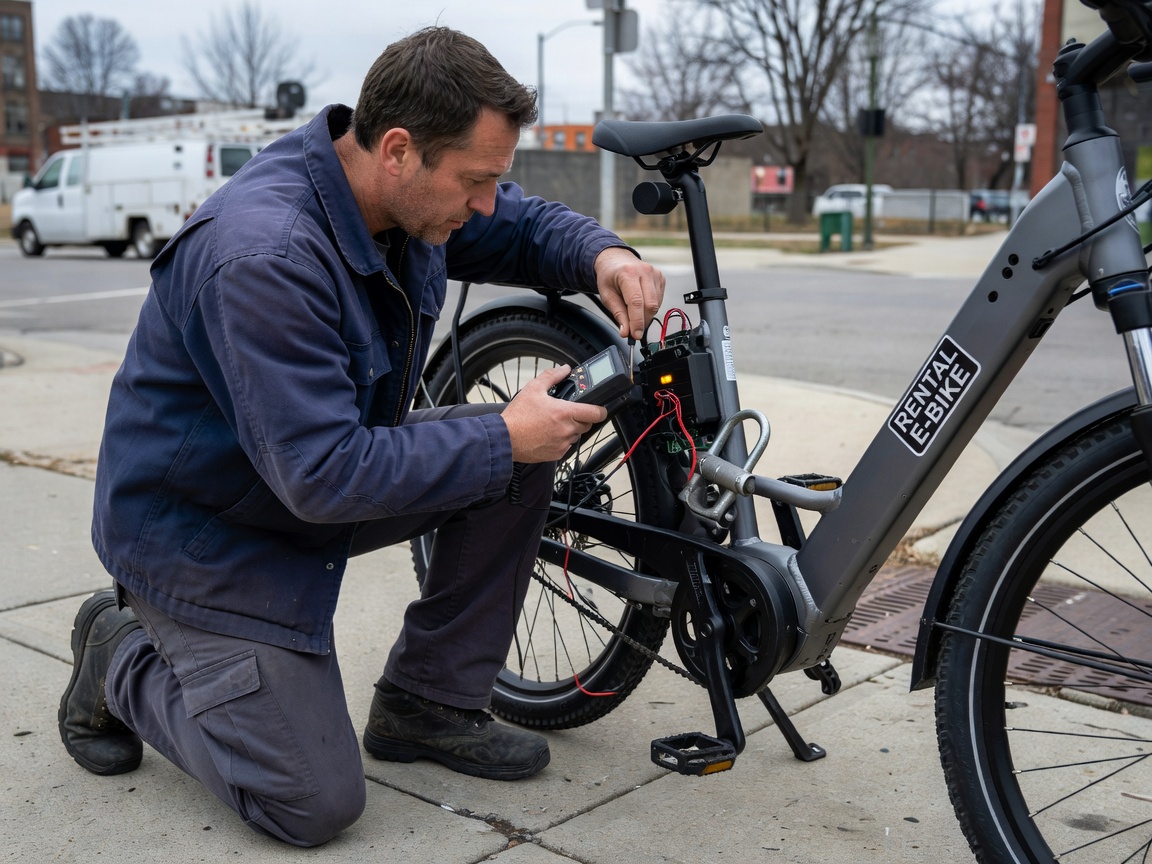
WORKSHOP • DEPOT
Brake rotor wear limits, chain tensioning, internal gear hub servicing, weatherproof connector sealing, and strict depot torque schedules.
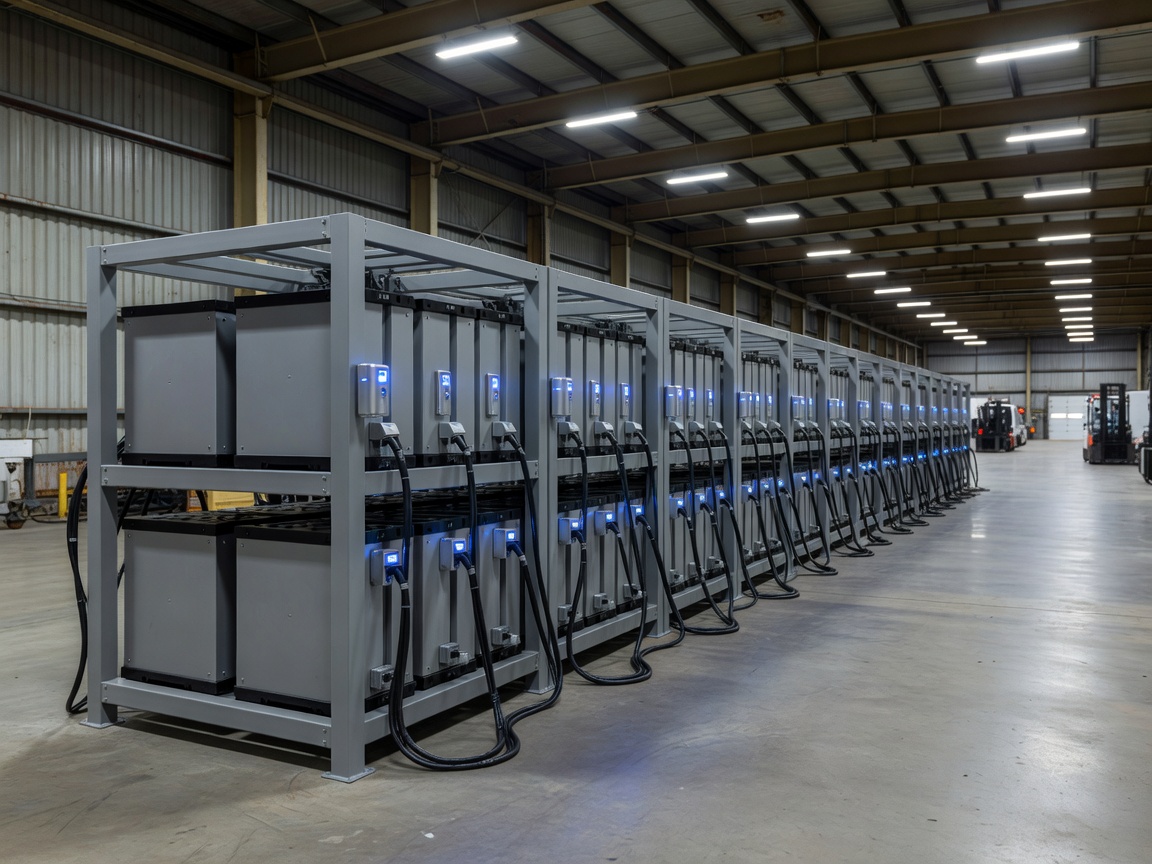
ENERGY • DEPOT
Fire-isolated charging infrastructure, climate-managed cell warming in winter, health state grading, and overnight rotation routines.
LOGISTICS • STREET
Moving vehicles before commuter surges clog transit hubs. Electric van routes, custom trailer arrays, and geofence decluttering.
ANALYSIS • SCALE
Balancing spare vehicle ratios against depot footprint, seasonal weather drop-offs, component standardisation, and municipal permit rules.
Answers to common operational questions regarding depot handovers, battery thermal safety, municipal compliance, and weather-driven demand swings.
Cold weather dramatically raises cell internal resistance. When temperatures drop below 2°C, batteries brought in from the street are never plugged immediately into fast chargers. We hold them in a climate-tempered depot buffer until pack core temperatures stabilize above 12°C. Charging frozen cells causes irreversible lithium plating and capacity degradation. Additionally, street dispatch software is adjusted to lower the low-SOC warning threshold to account for reduced range.
Scheduled maintenance runs strictly against fixed calendar intervals (e.g., full tear-down inspection every 60 days) regardless of vehicle telemetry. Condition-based maintenance triggers inspections automatically based on actual operational stress: telemetry alerts for brake lever pull travel, shock sensor triggers from curb collisions, motor controller heat spikes, or odometer thresholds. We combine both: light scheduled checks for legal compliance and heavy condition triggers to catch wear before catastrophic road failure.
Municipalities enforce tight clearing windows (often 60 to 120 minutes) for vehicles reported outside designated parking corrals. Our logistics teams run rapid-response electric cargo bikes and vans with dedicated routing tablets. Street patrols prioritize vehicles flagged by city APIs, citizen reports, or GPS boundaries outside permitted corridors, bringing them into compliant parking zones or depot intake.
European historical centers and pedestrianized zones frequently bar large commercial vehicles or choke in peak-hour traffic. Heavy-duty e-cargo bikes equipped with dual-axle bike trailers can transport 4 to 6 rental e-bikes directly along bicycle thoroughfares without idling tickets, low-emission zone tolls, or parking delays. For bulk corridor redistribution (15 to 30 bikes), we deploy dedicated electric vans during off-peak morning and late evening windows.